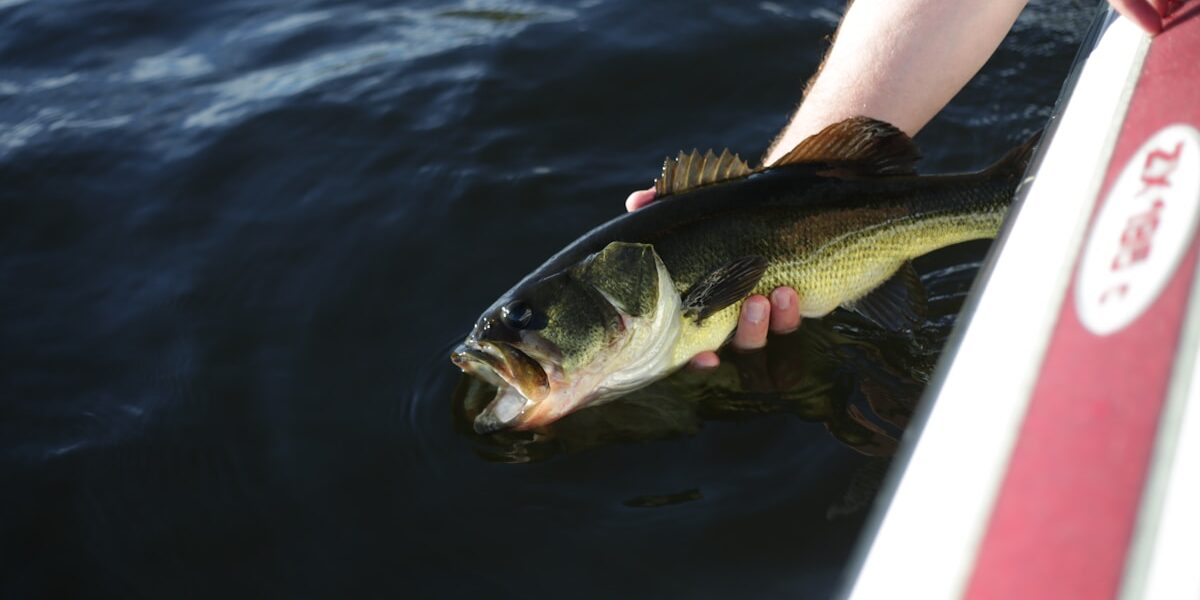
How to Plan a Fishing Adventure
Planning a fishing trip has gotten complicated with all the variables involved — permits, gear, accommodations, weather windows, local regulations. As someone who’s shown up to a remote lake without the right license, driven three hours only to find a spot closed for spawning season, and launched a boat without checking the marine forecast, I learned all the planning steps the hard way. Today I’ll walk through everything so you don’t have to make the same mistakes.
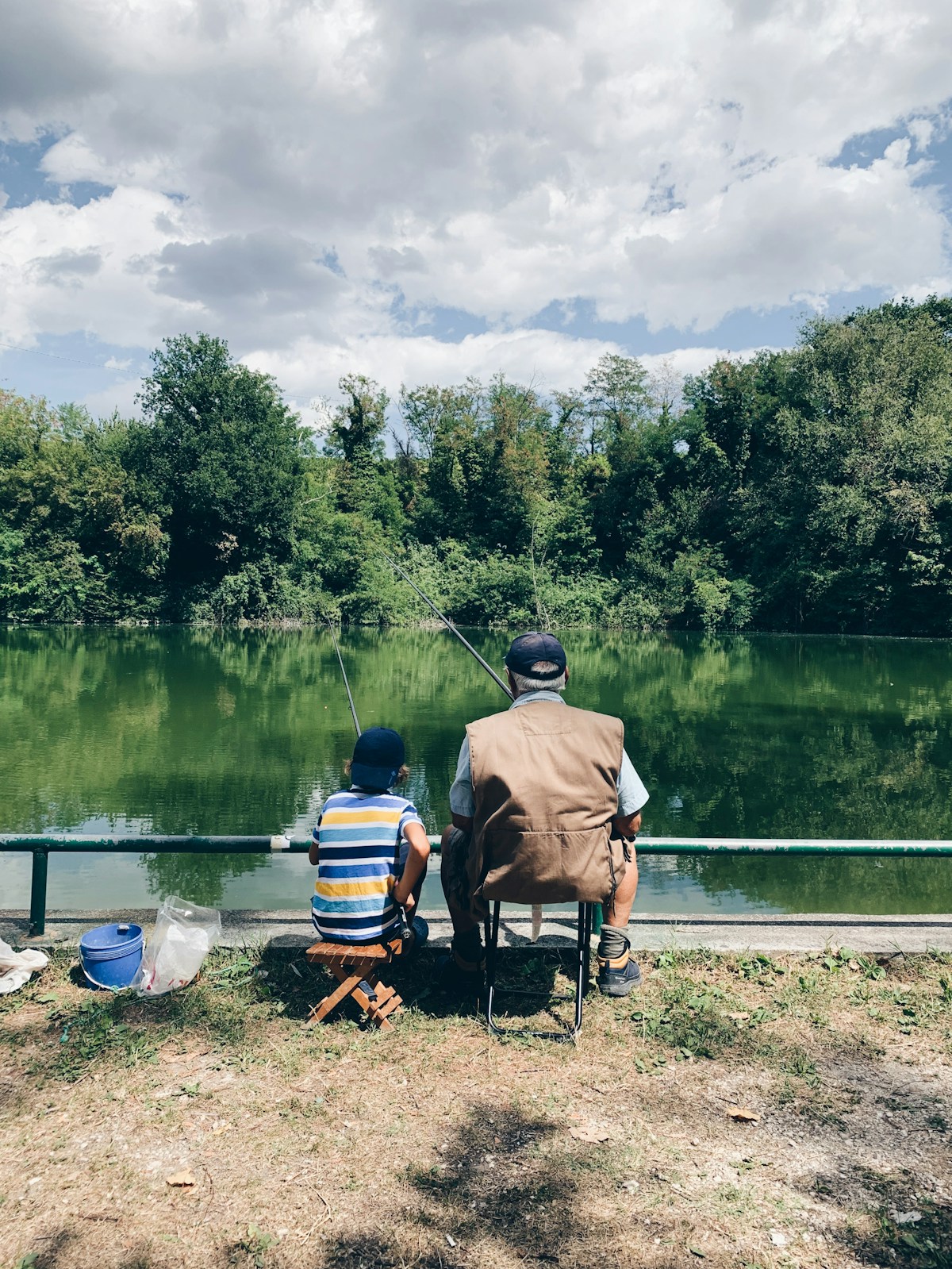
Research the Destination
Start with the species you want to target, then work backward to find where those fish are. State and provincial wildlife agency websites are the most reliable starting point — they publish stocking reports, survey data, and maps of regulated waters that give you a factual baseline. Regional fishing forums provide current, real-world conditions from people who were on the water last week. Paid guides who operate in your target area know exactly where fish are and when — a day with a knowledgeable local guide at the start of exploring a new area is worth more than weeks of trial-and-error fishing.
Once you’ve identified a location, learn the seasonal patterns. A lake that produces well in May for pre-spawn bass may be difficult in August when fish have pushed deep. The best time of year to fish your target species in your target location is information worth getting right before you commit to travel dates.
Gather Necessary Permits
Every state, province, and country has its own licensing structure. In most US states, a standard freshwater fishing license covers the basics, with separate stamps or endorsements required for specific species (salmon, trout, steelhead) or specific areas. Some waters require daily access permits in addition to a fishing license. Tribal waters may have separate regulations and permit requirements distinct from state rules. Look all of this up for your specific destination — not for “fishing licenses in general” — because the details vary enough that generic research leads to compliance gaps. Buy everything before you arrive. Digital licenses on your phone are accepted in most jurisdictions now and take about five minutes to purchase.
Assemble Your Gear
Match gear to target species and expected conditions. Researching what local anglers use on your target water gives you a reliable baseline — there’s no reason to experiment when proven setups are documented. A few rods rigged with different presentations saves time on the water when conditions change. Bring more hooks, line, and sinkers than you expect to need — small consumable items run out faster than expected, and tackle shops don’t exist everywhere.
Don’t forget the non-fishing items that make or break comfort: polarized sunglasses, quality sun protection, a wide-brim hat, rain gear, and enough water. Dehydration and sun fatigue affect both comfort and decision-making on long fishing days in ways that aren’t always obvious until they’ve already set in. Probably should have mentioned this first, honestly.
Plan for Safety
If you’re on a boat, life jackets for every person — not stowed in a compartment, actually accessible. Check the boat’s mechanical condition before any extended trip. Share your itinerary with someone not on the trip: where you’re going, when you expect to be back, who to contact if you haven’t checked in. Check the weather forecast the morning of, not just the night before. On large lakes and coastal waters, conditions can change from fishable to dangerous in under an hour. A VHF radio and a personal locator beacon are worth having on remote or offshore trips where cell service doesn’t exist.
Accommodation Arrangements
Book accommodations specific to when you plan to fish, not just near the general area. Proximity to the boat ramp, marina, or access point you’re using matters when you’re launching at 5 AM. Fishing lodges near productive waters often have local knowledge, guide services, and fish cleaning facilities that generic hotels don’t. If camping, verify that the campsite is available during your dates — popular spots near quality fishing water book out weeks or months in advance in peak season. Check campground rules on fire and waste disposal before you arrive.
Transportation Logistics
If trailering a boat, verify your vehicle’s tow rating and trailer light connections before you leave home — not at the ramp. Research the boat launch at your destination: water depth at the ramp, parking availability for a truck-and-trailer combination, and whether it’s paved or gravel matters in wet conditions. For remote locations, fuel availability and road conditions on the approach route are worth checking. For international fishing trips, research whether your equipment can be brought across the border without issues — some countries have specific regulations on importing fishing tackle or certain species of live bait.
Pack Food and Water
Pack more food and water than you think you’ll need. Non-perishable food — sandwiches in a cooler for the first day, then jerky, trail mix, protein bars, dried fruit for multi-day trips — travels well and requires no cooking. Bring more drinking water than your estimate and a water filtration option as backup on longer or remote trips. If you plan to cook what you catch, always bring backup food. Fish don’t always cooperate with meal plans, and arriving at dinner time with nothing caught and no backup food is a specific kind of miserable.
Check Weather and Tides
Weather determines whether you fish comfortably, whether you fish at all, and in extreme cases, whether you make it home safely. For freshwater fishing, monitor temperature trends — fish behavior shifts with frontal passages, and knowing a cold front is coming Tuesday lets you plan to be on the water Monday when pre-front feeding activity peaks. For saltwater and coastal fishing, tidal phases are as important as weather — fish feeding behavior correlates strongly with tidal movement, and the best anglers plan their fishing hours around tide tables, not just around when they feel like going out.
Prepare for Fish Handling
Know the rules on what you can keep before you go. Size limits, slot limits (fish must be within a certain size range to keep), and daily bag limits are all specific to species and location. Bring a cooler with ice if you plan to keep fish — fish quality degrades quickly in heat. If you’re practicing catch and release, bring the proper tools: long-nose pliers for hook removal, a rubber net that doesn’t strip slime coat, and know the proper technique for holding and reviving fish before release.
Backup Plans
The thing is, fishing doesn’t always go to plan. Spots get closed, weather makes your primary water unsafe, fish don’t cooperate on the timeline you planned. Having two or three alternative locations identified before you leave means an unexpected change of plans is a minor inconvenience rather than a trip-ruining problem. Knowing what other activities — hiking, exploring a nearby town, visiting a local attraction — are available in the area keeps the trip worthwhile even when the fishing itself is slow.
Enjoy and Respect Nature
Leave No Trace principles apply to fishing as much as to any other outdoor activity. Pack out everything you bring in. Don’t leave monofilament, leaders, or tackle on the bank or in the water. Respect wildlife, fish or otherwise. Treat the access areas, boat ramps, and fishing spots you use as if their continued availability depends on how you leave them — because in many cases, it does. The fishing experiences worth having are only possible because the ecosystems that support them have been maintained. Contributing to that maintenance rather than degrading it is the right way to approach time on the water.


Stay in the loop
Get the latest wildlife research and conservation news delivered to your inbox.