The Original Plan (And How It Changed)
Budget boat projects have gotten complicated with all the YouTube boat-build influencers flying around. As someone who bought a 1989 Jon boat for $400 off Facebook Marketplace and accidentally turned it into the best crappie catcher on the lake, I learned everything there is to know about making something work with almost nothing. Today, I will share it all with you.
My buddy Travis and I had a simple plan: build a grass blind on the Jon boat for duck hunting. $200 in materials, one weekend of work, floating duck assassin. What we ended up with was a surprisingly effective fishing platform that just happened to also catch ducks. Eventually.
The boat came with a 9.9 Mercury that ran about half the time and a trailer held together by rust and optimism. For $400, we had water access we couldn’t get on foot. That was the whole point.
Building the Blind
Started with a frame from electrical conduit — the same stuff you run wire through in walls. Three bucks per ten-foot section. Bought eight pieces and bent them into hoops using a cheap conduit bender from Harbor Freight. Hoops slid into brackets we made from angle iron and bolted to the gunwales. Total frame cost: about $35.
Covering was camo burlap from an army surplus store and raffia grass from a craft supply warehouse. Burlap formed the base layer, zip-tied to the conduit. Wove raffia through in random patterns to break up the outline. Added natural vegetation from the marsh — cattails, phragmites, dried willow branches — secured with bungee cords so we could swap them when they wilted. Covering cost: $65 including bungees.
Probably should have led with this section, honestly. Final touch was a fold-down shooting section at the front, hinged with old door hinges from Travis’s garage. Painted exposed aluminum with flat brown Rustoleum. Stick-on bark pattern camo on the bench seats. Total project cost: $187, under budget by thirteen bucks.
The First Season
First duck season we killed our limits more often than not. Blind was low-profile enough to hide in open water. Natural vegetation made us disappear against the shoreline. Mallards, teal, gadwall — decoyed right into the spread. But here’s what nobody tells you about layout hunting: you spend a LOT of time sitting very still in a boat that’s basically a floating lawn chair.
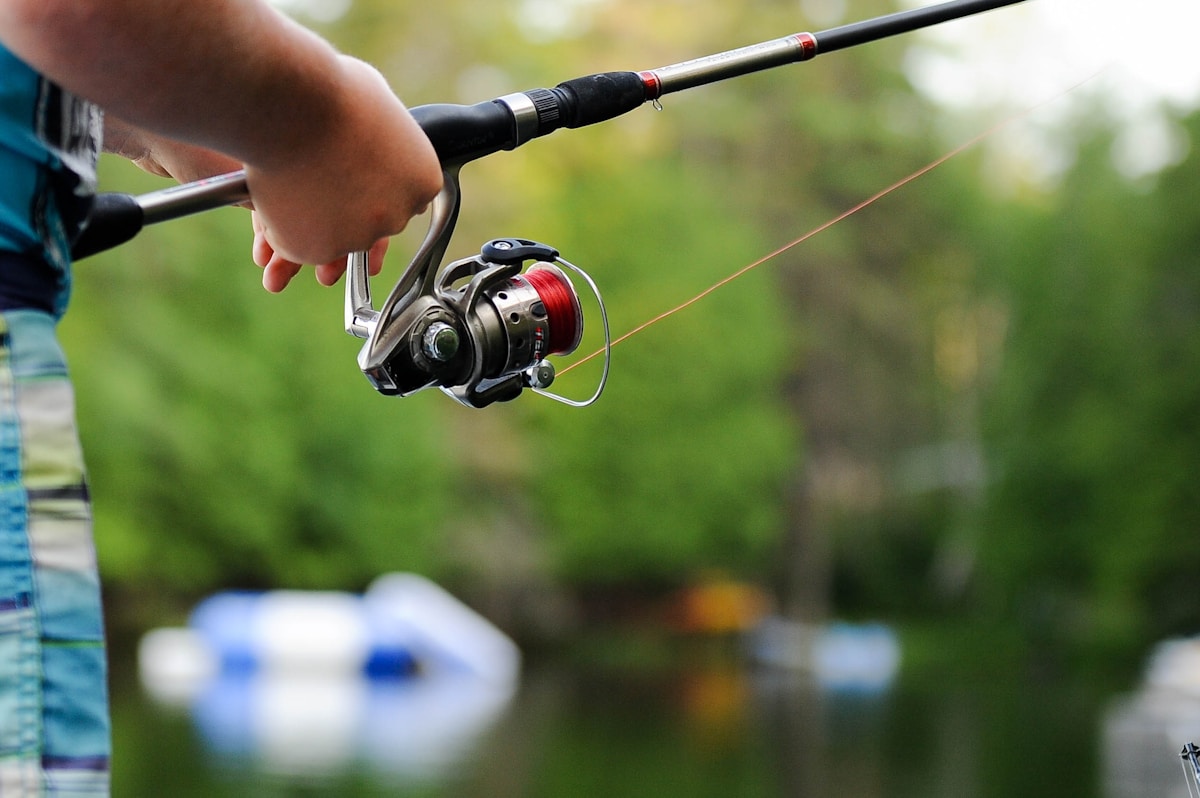
During the long waits we started fishing. Just dropping a jig over the side, bouncing it off bottom, seeing what happened. Turns out crappie really like the shade created by a grass-covered boat sitting in 10 feet of water. We caught more slabs that duck season than we had all summer fishing the same lake from exposed boats. Not even close.
The Evolution
Three years later that Jon boat serves double duty year-round. Duck season it’s a blind. Rest of the year we strip the heavy vegetation but leave the conduit frame, which works surprisingly well as shade structure. Added rod holders to the frame, a small trolling motor on the bow, and a fish finder that cost more than the boat itself.
The 9.9 Mercury finally died last spring. Replaced it with a 15-horse Yamaha that actually starts on the first pull. But that blind frame? The original $200 investment is still holding strong.
What We Learned
That’s what makes budget boat projects endearing to us cheap anglers — you don’t need much to make something that works. Keep it simple. Use replaceable materials. Don’t get precious about the design. Our first version had problems — frame too high, burlap sagging when wet, bungees popping in cold weather — but we fixed them as we went. A boat blind is a work in progress, never a finished product.
And if you accidentally discover your duck blind is also a crappie magnet? That’s not a bug. That’s a feature.