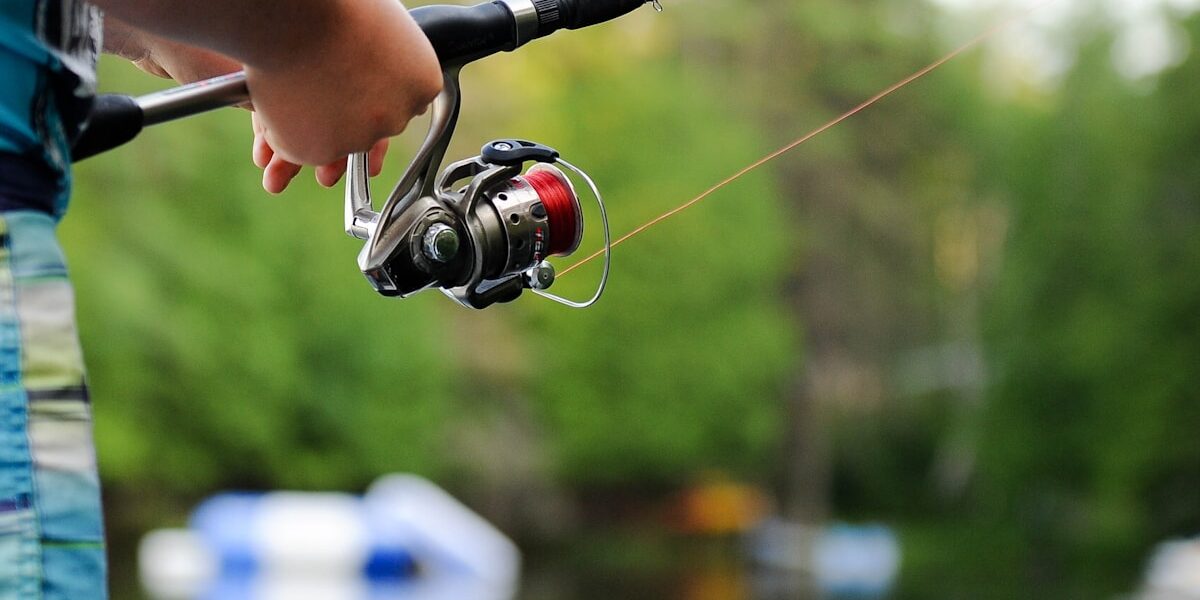
I’ve talked to enough first-time destination anglers to know the pattern: excitement, not enough preparation, avoidable problems. The rod arrives without the right terminal tackle. The license is for the wrong county. Nobody checked whether the boat ramp was open. These aren’t disasters, but they erode the experience. Good preparation is really just friction removal — getting the logistical stuff handled so that when you’re actually on the water, you’re fishing, not solving problems.
Research Your Destination Before Anything Else
Start with the fishery itself: what species are present, what techniques work, what the water conditions tend to be this time of year. Your state fish and wildlife agency is a better starting point than most online fishing content because it’s local, current, and accurate. Stocking reports, recent survey data, access point information — all of it is usually free and available.
Local fishing reports closer to your trip date are the most valuable. A report from two weeks ago is significantly more useful than a report from last season, because conditions change. Check local forums, the bait shop’s Facebook page, or online fishing report services for the specific water. You want to know what depth fish are holding, what they’re eating, and whether the conditions are seasonal or off.
Sort Out Regulations Before You Leave
Regulations are location-specific and they change. A fishing license valid in your home state doesn’t cover water in another state. Some bodies of water have slot limits, special gear restrictions, or seasonal closures that differ from general state rules. Check the wildlife agency for the specific location you’re fishing, not just the general state regulations.
Do this a week before the trip, not the morning of. If you need a special permit, stamps, or tribal access authorization, you need time to get them. Carry your license electronically on your phone, but a printed backup doesn’t hurt if you’re heading to remote water with uncertain cell service.
Gear: What You Actually Need
Scale your gear to your target species. There’s no single universal setup, but these are the essentials regardless of what you’re fishing:
- Rod and reel matched to the species — medium spinning for most freshwater, heavier if you’re targeting catfish or muskie
- Fishing line in the appropriate weight, inspected for damage
- Hooks, sinkers, and bobbers — bring more than you think you’ll need
- A varied lure/bait selection based on your pre-trip research
- Net with rubber mesh if you’re practicing catch and release
- Tackle bag or box, organized so you can find things quickly
Test your gear before you go. Spool up fresh line, check your guides, make sure the drag is set correctly. A reel that works fine in the garage can behave unexpectedly after a year in the back of a truck. Ten minutes of testing at home beats discovering a problem at 5:30 AM on the water.
Weather Matters More Than Most Anglers Admit
Check the forecast specifically — not just the general area but the actual body of water if you can get localized data. Wind is the main factor I watch: sustained winds above 15 mph make small boat fishing difficult and make it harder to detect bites. A dropping barometer in the 24 hours before your trip usually means fish are feeding aggressively. A rising barometer post-front typically means slow fishing for 24-48 hours.
Overcast days are underrated. The reduced light penetration makes fish less wary and more willing to move. Some of my best days have been overcast, cool mornings that looked uninspiring on paper.
Pack Supplies Beyond the Fishing Gear
The non-fishing supplies are what most people under-pack. These are the things you’ll actually wish you had:
- Water — more than you think. You’ll be outside all day, often on open water with no shade.
- Food that’s easy to eat one-handed without stopping — protein bars, sandwiches, trail mix
- First aid kit including hemostats or pliers for hook removal
- Sunscreen, polarized sunglasses, and a brimmed hat — polarized lenses specifically let you see into the water, which is a real fishing advantage
- Portable charger for your phone
- Headlamp for early morning launch or late evening fishing
- Map or downloaded offline GPS for areas without cell service
- Trash bags — pack out everything you bring in
Know Your Knots Before You Need Them
Tying knots with cold or wet hands, with low light, and with a fish actively feeding in front of you is harder than it sounds. Drill your go-to knots until they’re automatic. The Palomar knot and Improved Clinch cover the vast majority of freshwater situations. A loop knot adds action to lures. Wet the line before cinching any knot — friction on dry line generates heat that weakens the connection right where you need it most.
Safety and Communication
Tell someone your plan — where you’re going, what water you’ll be on, when you expect to be back. This is especially important for solo trips or remote locations. A fully charged phone is baseline. For backcountry or offshore situations, a PLB or satellite communicator covers you where cell service can’t.
Life jacket on the boat, always. The water doesn’t care how good a swimmer you are or how calm it looks when you launch. Cold shock impairs muscle function in minutes. The PFD stays on.
Understand the Water You’re Fishing
Use Navionics or LakeMaster to review depth contours before you arrive. Identify structure — drop-offs, points, humps, creek channels — and build a mental map of where fish should be holding based on the season and species. When you get on the water, your fish finder confirms or adjusts that picture. Pre-trip map work means you’re fishing productive water immediately instead of spending the first hour figuring out where to start.
Catch and Release Done Right
If you’re releasing fish, do it properly. Wet your hands before touching any fish. Keep them horizontal, support their body weight, and get them back in the water as fast as you reasonably can. Revive fish in the water — hold them upright in the current or gently rock them back and forth until they kick out on their own. Don’t throw them back. The resource we’re all fishing for is worth protecting.
The preparation investment is small relative to the time you spend on the water. An hour of research and gear prep the night before translates directly into a better, more relaxed experience. Do the boring stuff ahead of time so you’re free to actually fish when you’re out there.


Stay in the loop
Get the latest wildlife research and conservation news delivered to your inbox.