Modern fishing has gotten complicated in all the ways that things get complicated when technology, regulation, and shifting cultural values intersect. As someone who’s fished with handlines, spinning gear, and fly tackle in different parts of the world, and who’s followed the commercial side of the industry with genuine interest, I’ve watched modern fishing evolve in directions that would have been unrecognizable to anglers a generation ago. Here’s what that evolution actually looks like.
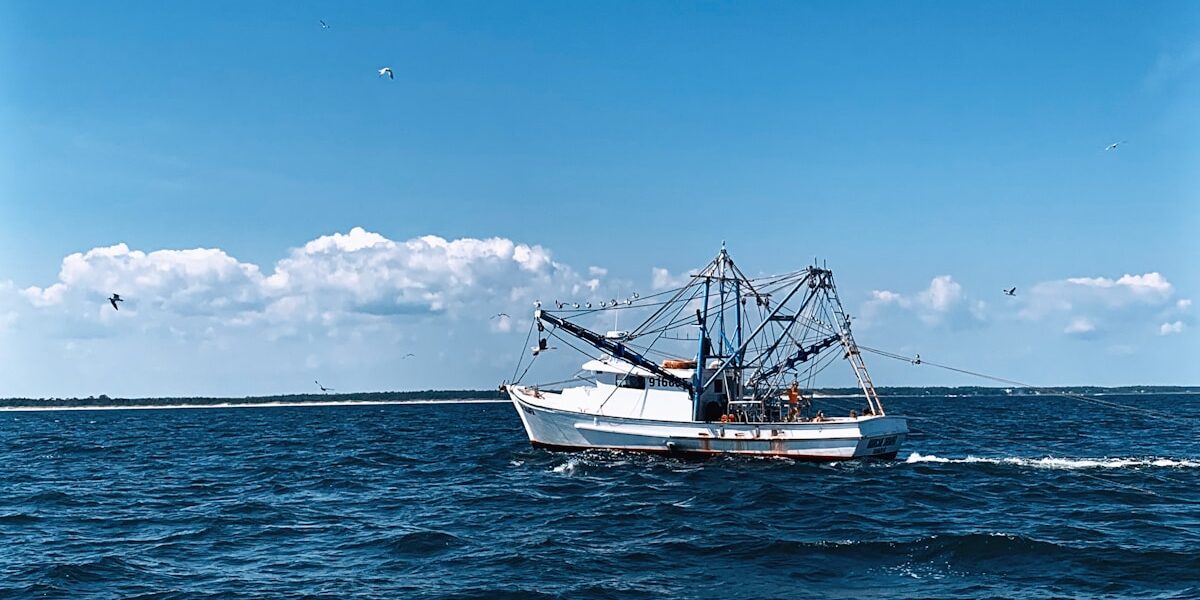
The commercial side is where the technology story is most dramatic. Modern fishing vessels operate with navigation systems, real-time weather and oceanographic data, and sonar equipment that makes finding fish a fundamentally different exercise than it was fifty years ago. Longlines, trawls, and gillnets have been refined to target specific species at specific depths and locations while reducing the accidental capture of non-target species — what the industry calls bycatch. Turtle excluder devices in shrimp trawls, bird-scaring lines on longline vessels, and selective mesh sizes in trawl nets are all examples of gear modifications that came out of regulatory pressure and voluntary industry adoption to reduce collateral harm.
The thing is, fishing technology is genuinely a double-edged story. The same sonar and satellite systems that let responsible operators find fish efficiently also let less scrupulous operations locate and remove fish from areas that were previously too remote or too poorly known to be heavily exploited. Technology doesn’t inherently protect fish — the regulatory and cultural frameworks around how it’s used determine whether it’s a conservation tool or a depleting one.
Aquaculture has become a substantial part of the global seafood supply in a way that changes the entire equation for wild fish. Fish farming — raising fish in controlled freshwater ponds, saltwater pens, or recirculating aquaculture systems — now accounts for more than half of the seafood consumed worldwide. The quality and practices vary enormously: some aquaculture operations are genuinely well-run and produce healthy fish with minimal environmental impact; others create significant problems with water quality, disease transmission to wild fish, and the use of wild fish as feed for farmed carnivorous species. Salmon farming, in particular, has been a contentious topic in regions where wild salmon populations are ecologically important and where farmed fish have escaped into river systems.
For recreational anglers, the modern era has brought equipment improvements that would impress anglers from previous generations. High-modulus graphite rods that weigh almost nothing but cast with precision. Reels with drag systems that can stop fish that previous reel designs would have failed against. Braided lines that offer sensitivity, strength, and zero stretch in diameters that allow you to throw smaller presentations without sacrificing the ability to fight large fish. Fish finders with detailed bottom mapping that show structure, depth, and in some cases individual fish suspended in the water column. GPS that saves exact coordinates of productive spots and navigates you back to them in darkness or fog.
The regulatory landscape that governs all of this is also distinctly modern. Catch limits, minimum size requirements, closed seasons, gear restrictions, and protected area designations are all relatively recent developments in the long history of fishing. Many of them came out of documented collapses — Atlantic cod, Pacific sardines, North Sea herring — that demonstrated what happens when fisheries are managed primarily for short-term economic returns rather than long-term population sustainability. The management frameworks that exist now aren’t perfect, but they represent a genuine improvement over the open-access, unlimited-harvest approach that prevailed for most of fishing history.
Traceability is one of the more interesting developments in commercial fishing over the past decade. Consumer interest in knowing where seafood comes from, how it was caught, and whether it came from a sustainably managed source has driven supply chain transparency efforts that would have seemed impractical ten years ago. Blockchain technology and digital tagging systems now allow some seafood products to be tracked from the vessel that caught them through every step of processing and distribution to the point of retail sale. That level of transparency is genuinely new and reflects a shift in what consumers expect from the food system.
Education and awareness programs have also changed the culture around fishing in measurable ways. Anglers today are generally better informed about the ecological consequences of their choices than previous generations were, not because people are inherently more conservation-minded, but because the information is more accessible and the consequences of poor management are documented and visible. When a fishery collapses, the story spreads quickly. When management reforms produce genuine recovery — as has happened with striped bass on the Atlantic coast, with Pacific groundfish stocks, and with some tuna populations — that story spreads too, and it demonstrates that conservation-oriented management actually works.
The central challenge of modern fishing hasn’t changed from what it’s always been: the world’s human population wants to eat fish, fish are a finite resource in any given region, and the systems for harvesting, farming, and managing that resource determine whether it persists or degrades. What’s different now is the tools available for understanding the resource and managing it, the regulatory structures for applying that understanding, and a broader public awareness of what’s at stake. Whether those tools and structures are adequate to the challenge is still being determined in real time, on every ocean and in every river system on the planet.

Leave a Reply